Bedding · Materials Guide
How to Compare Organic Mattress Materials: Latex, Wool, and Cotton
A mattress label can sound like a simple promise: natural fibers, organic materials, a cleaner night’s sleep. But latex, wool, and cotton do very different work inside a bed. The useful question is not which material wins. It is where each one sits, how it is processed, what it is asked to do—and whether the finished mattress suits the person sleeping on it.
Published November 1, 2026
Mattresses are layered systems. A sleeper feels the cover first, then the upholstery and comfort layers, and finally the deeper support structure. Materials may be named prominently on a product page, but their placement, thickness, density, and construction often matter just as much as their presence. A thin cotton cover, a substantial wool pad, and a resilient latex core are not interchangeable simply because all three may be described as natural.
That distinction is central to comparing organic mattresses. Latex is commonly used for responsive cushioning and support. Wool can add a resilient, moisture-managing comfort layer. Cotton often appears in covers, batting, or quilted upholstery, where it contributes a familiar, breathable surface. These are tendencies, not guarantees: blends and manufacturing choices change the feel of the finished bed.
There is also no single certification that automatically tells the whole story. A mattress may contain certified organic cotton but use other materials that are not certified organic. One component’s certification does not certify every component—or establish that the mattress will feel comfortable, last longer, or improve health. Reading the construction details is less glamorous than reading a headline. It is also more useful.
Start with the layer, not the label
Before comparing material names, find out where each material appears in the mattress. Is it the outer fabric, a thin quilted layer, a thick comfort section, or part of the support core? A fiber used in the cover may shape the immediate surface feel, while a deeper layer influences cushioning and how the mattress responds as the body settles into it.
Construction descriptions can be surprisingly imprecise. “Natural latex,” for example, tells you something about the material’s source, but not necessarily whether it is a thin layer or the main comfort system. “Wool mattress layers” might refer to a small amount of wool in the quilting or a more substantial pad. Cotton may be the cover fabric, batting, or both. Ask for a layer-by-layer description, including approximate thickness, if the manufacturer does not provide one.
Then consider the bed as a whole. An innerspring mattress with a wool-and-cotton upholstery package will behave differently from an all-latex mattress, even if both use organic cotton covers. A supportive core, the comfort layers above it, and the tension of the cover work together. A material’s reputation cannot substitute for knowing how the complete design performs.
- Identify the role: surface cover, cushioning, temperature management, or support.
- Find the proportions: ask how much of each material is used and how thick each layer is.
- Check what surrounds it: blends, adhesives, quilting, and the underlying support system can all affect the result.
Latex: responsive cushioning with variation built in
Latex is a flexible material made from rubber. In a mattress, it is often valued for a buoyant, responsive feel: rather than slowly enveloping the body, it tends to compress and rebound more promptly. That can make repositioning easier for some sleepers and may create a sense of support close to the surface. But “latex feel” is not one fixed sensation. Formulation, processing, firmness, layer thickness, and the design of the mattress all matter.
Some latex layers are softer and more conforming; others feel firmer and more buoyant. A thicker comfort layer may allow more cushioning than a thin one, while a firm latex core will not necessarily feel like a plush topper. The word “latex” alone cannot predict pressure relief for a side sleeper, the amount of sink for a back sleeper, or how easy the mattress will feel to move across.
For comparison, look for the latex type and the role it plays. Natural latex generally refers to material derived from rubber-tree sap, while products may also contain synthetic latex or a blend. Manufacturing methods, such as Dunlop or Talalay, are sometimes listed; these describe different production processes, but do not by themselves tell you which mattress is best. If you have a latex allergy or another relevant sensitivity, seek qualified medical advice and verify the product’s composition rather than relying on broad “natural” wording.
Latex can be paired with wool and cotton. Cotton may cover the latex, and wool may sit above it as a quilted or comfort layer. In that arrangement, the sleeper does not experience each material in isolation: the cover and upholstery affect the first impression, while the latex underneath contributes much of the spring-back and deeper cushioning.
Wool: a flexible fiber with a different kind of cushioning
Wool is used in mattresses as batting, upholstery, or a quilted layer. Its crimped fibers can create a springy, yielding surface, and wool can absorb and release moisture as part of its interaction with the surrounding air. That is one reason it is often included in discussions of temperature regulation. It does not act like an air conditioner, and no single layer can promise that every sleeper will stay cool. Room temperature, bedding, mattress construction, and individual heat sensitivity all play a role.
Compared with a thick latex comfort layer, wool is typically less like a resilient foam core and more like a fibrous upholstery material. Its surface feel can be gently cushioned, but the amount of pressure relief depends on how much wool is used, how it is quilted, and what lies below. Wool may compress over time; the effect varies with the quantity, density, construction, and use. Ask what care the manufacturer recommends and whether the wool is designed to be refreshed, rotated, or left in place.
Descriptions such as “temperature regulating,” “antimicrobial,” or “hypoallergenic” should be read carefully. Material properties do not guarantee a particular health outcome, and people with wool sensitivities should check the details with the manufacturer or a medical professional. If allergy control is the priority, the complete sleep setup—including encasements, laundering, and room conditions—may matter more than choosing one fiber in isolation.
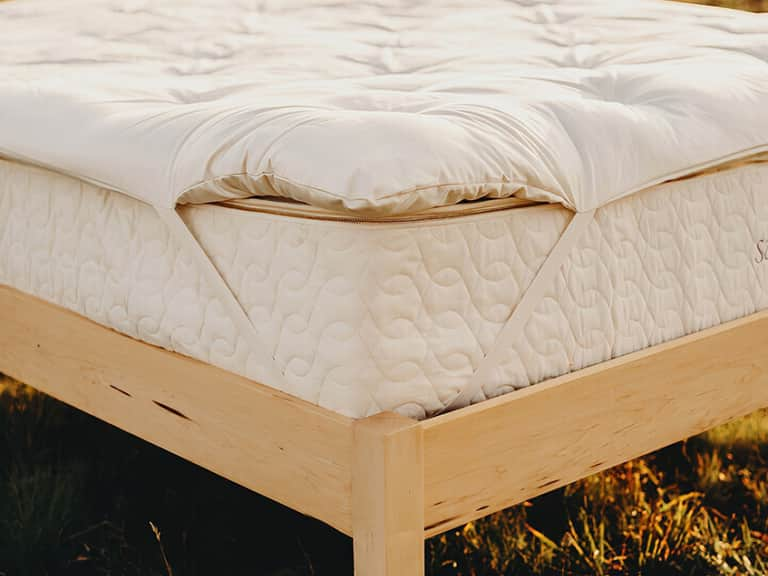
Wool can also appear in a topper rather than inside a mattress. For example, the Savvy Rest Natural Savvy Woolsy Mattress Topper is described as wool in a quilted certified-organic-cotton cover. It offers a practical illustration of how those two materials can be combined above an existing mattress. A topper, however, changes the surface of a bed; it does not replace a worn or unsuitable support core.
Cotton: the quiet work of the surface
Cotton often plays a supporting role that is easy to overlook. It may form the mattress ticking—the fabric that covers the bed—or serve as batting in the quilted upholstery. Its contribution depends on how it is woven, how much is used, and whether it is blended with other fibers. A cotton cover can feel familiar and breathable, but a fabric’s performance also depends on its weave, finish, and the layers beneath it.
Organic cotton refers to cotton grown and processed under the requirements of a particular organic certification program. The term is meaningful only when it is tied to a verifiable standard and the product’s scope is clear. Does the certification apply to the cotton fabric alone, a particular component, or the finished product? What does the certificate cover? These questions help separate a documented claim from a vague environmental impression.
Cotton is not usually the primary support material in an adult mattress. A cover or batting layer can affect feel at the surface, but it cannot tell you whether the underlying mattress has the firmness, contouring, or edge support you need. Nor does organic cotton automatically mean that an entire mattress is organic. The rest of the bill of materials still matters.
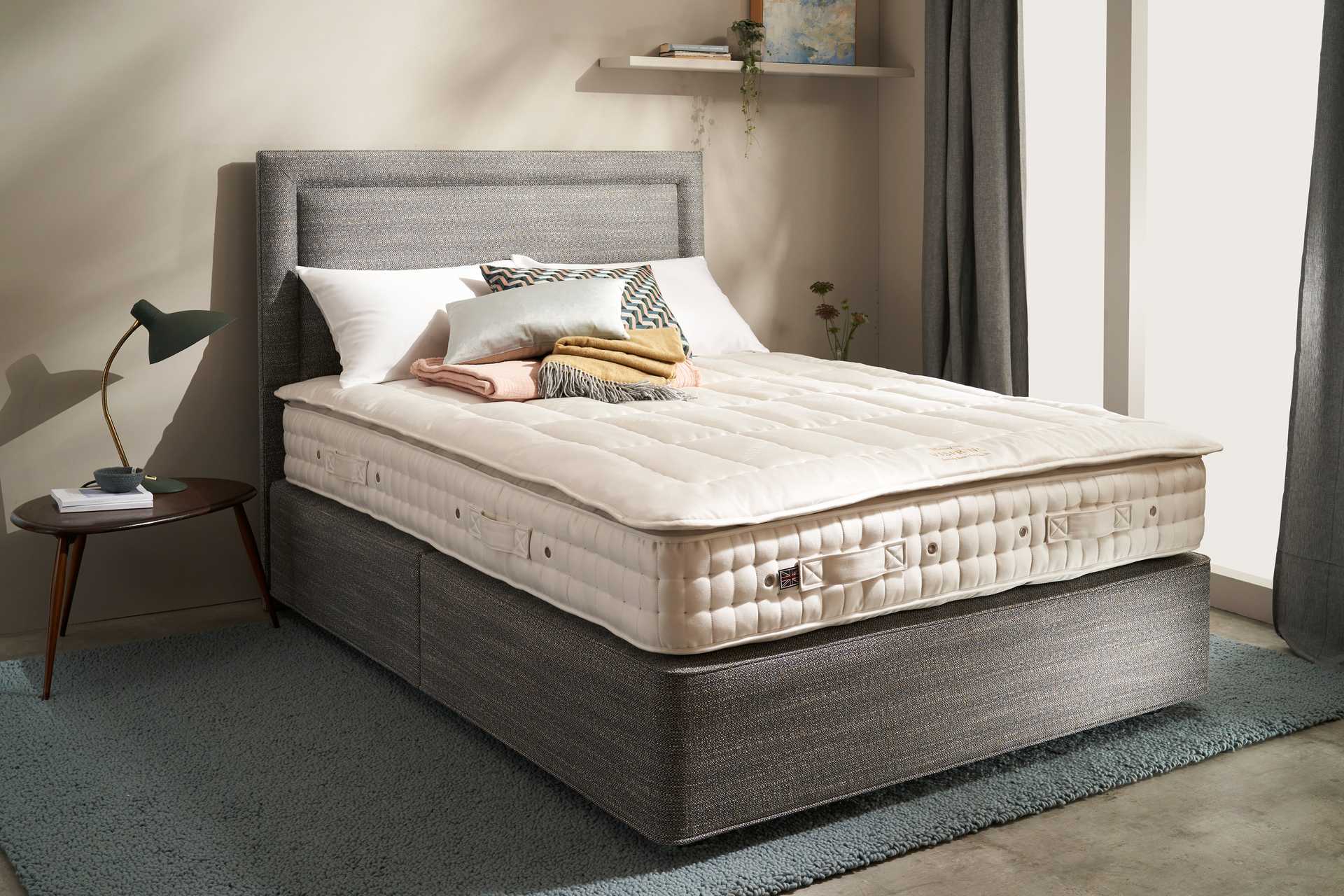
Cotton can also be paired with wool in finished upholstery. The Vispring Tiara Superb, for instance, is described as using organic cotton alongside wool and other upholstery materials over a pocket-spring construction. This is an example of material layering in a complete mattress, not a universal template or a verdict about what every sleeper should choose. It also underlines why a material list is only the beginning: the spring system, upholstery arrangement, and overall design shape the feel together.
A side-by-side comparison
| Material | Common mattress role | Potential feel | What to verify |
|---|---|---|---|
| Latex | Comfort layer or support core | Responsive, buoyant, with feel shaped by firmness and thickness | Composition, processing, layer position, thickness, and firmness details |
| Wool | Quilted upholstery, batting, or topper | Fibrous, gently cushioned surface; performance depends on quantity and construction | Wool source, amount, quilting, care instructions, and certification scope |
| Cotton | Cover fabric, batting, or quilted upholstery | Surface feel varies with weave, finish, and layers beneath | Organic certification, component coverage, blends, and cleaning guidance |
The table describes common roles, not fixed rules. A mattress can combine the materials in different ways, and brands may use the same name for constructions that feel quite different. Use the comparison to form questions, not to make assumptions from a label.
Certifications: useful evidence, not a comfort score
Certification can help establish that a particular material or product meets defined requirements. But certificates differ in scope and purpose. A textile standard, an organic claim, and a chemical-emissions program do not all test the same thing. A certification on cotton does not automatically verify latex, wool, adhesives, or the complete mattress.
Look for the name of the certification, the exact product or component covered, and whether the certificate is current and independently verifiable. If a product page says “certified materials” without specifying which materials or naming the standard, ask for documentation. The answer should make it possible to distinguish a certified component from an uncertified blend or finished assembly.
It is also worth separating environmental and material claims from performance claims. A certificate may verify a process or a chemical limit; it does not establish that a mattress will feel comfortable for a particular person, prevent pain, or last a specific number of years. Those questions call for different evidence: construction information, trial terms, warranty language, and personal evaluation.
Match construction to comfort priorities
Sleep position can help organize the decision, but it cannot dictate it. Side sleepers often look for enough cushioning around the shoulders and hips, while back and stomach sleepers may prefer a surface that limits excessive sinking. Body shape, weight, sensitivity to pressure, and personal preference all influence what feels supportive. A material name is not a substitute for lying on the mattress or using a trial period where one is available.
If a responsive, springy feel appeals to you, compare latex layers by firmness and thickness. If you prefer a softer, more traditional upholstered surface, investigate how much wool is present and how it is secured. If the surface fabric and fiber content are priorities, check the cotton’s certification and its position in the mattress. In all cases, assess the underlying support system. A plush top cannot necessarily correct a core that is too firm, too soft, or already worn.
Temperature is similarly personal. Breathable materials may be part of a cooler-feeling design, but warmth can also come from a mattress protector, sheets, room humidity, sleepwear, and the body’s own heat regulation. Compare the whole bed rather than expecting a single fiber to determine the climate of the night.
A practical checklist before you buy
Good mattress research is often a matter of asking the same precise questions of every option. Keep the answers together; product language is easier to evaluate when comparisons are made on equal terms.
- What is the complete layer sequence, from cover to support core?
- Which materials are used in each layer, and are any blended?
- How thick are the comfort layers, and what role does each one serve?
- What certifications apply, and do they cover the component or the finished mattress?
- What are the recommended care instructions? Can the cover be removed or cleaned?
- What are the trial, return, delivery, and warranty terms? Read the exclusions as well as the headline promise.
- Will the mattress work with your foundation or bed frame, and does the manufacturer specify compatibility requirements?
The right comparison is a construction comparison
Latex, wool, and cotton each have a place in mattress design, but none is a universal shortcut to comfort. Latex is often selected for responsive cushioning; wool may contribute resilient upholstery and moisture management; cotton commonly provides a breathable fabric or batting layer. The final experience comes from the combination—materials, thickness, placement, support core, and workmanship—not from a single word on a label.
For shoppers comparing organic mattresses, the clearest path is to move from broad claims to specific evidence. Find out what is in each layer. Confirm which certifications apply to which components. Consider care requirements and household needs. Then judge the mattress as a complete sleep surface, with your own comfort priorities in view.
That approach is less tidy than declaring one material the winner. It is also more honest. A good mattress comparison does not ask which fiber sounds best. It asks how the bed is built—and whether that particular construction is right for you.